Plan A
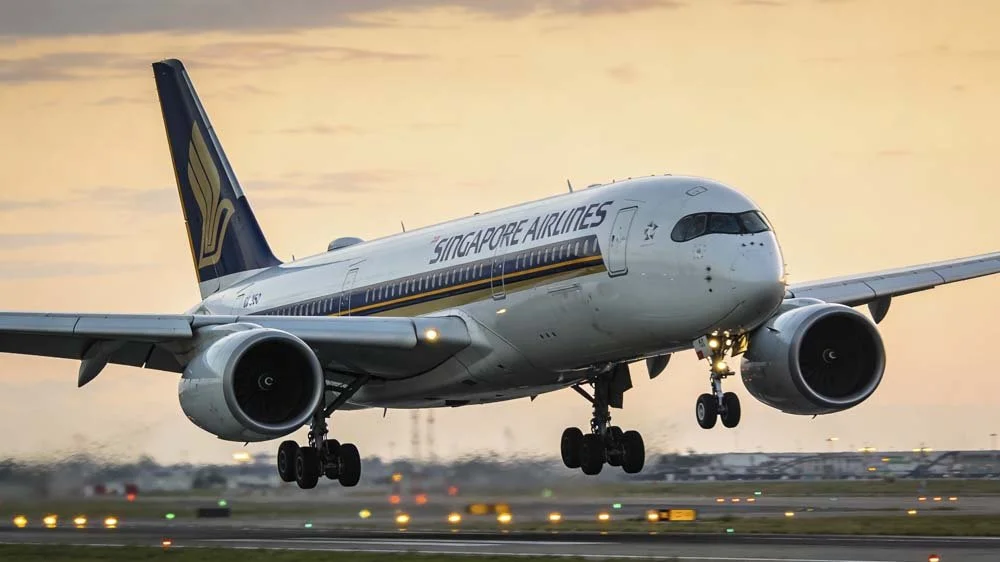
What they do- Check the overall condition of the aircraft before and after every flight. Ensure that the aircraft is balanced and below its weight limit. Verify that the fuel supply is adequate and that weather conditions are acceptable. Prepare and submit flight plans to air traffic control. Communicate with air traffic control over the aircraft’s radio system. Operate and control aircraft along planned routes and during takeoffs and landings. Monitor engines, fuel consumption, and other aircraft systems during flight. Respond to changing conditions, such as weather events and emergencies (for example, a mechanical malfunction).
Work environment- Pilots assigned to long-distance routes may experience fatigue and jetlag. Weather conditions may result in turbulence, requiring pilots to change the flying altitude. Flights can be long and flight decks are often sealed, so pilots work in small teams for long periods in close proximity to one another.
How to become one- Airline pilots typically need a bachelor’s degree and experience as a commercial or military pilot. Commercial pilots typically need flight training, and some employers may require or prefer them to have a degree. Airline pilots typically need a bachelor’s degree in any field, including transportation, engineering, or business. They also complete flight training with independent FAA-certified flight instructors or at schools that offer flight training. Commercial pilots typically complete flight training, and some employers require or prefer that they have a degree. The FAA certifies hundreds of civilian flight schools, which range from small fixed base operators (FBO) to state universities. Some colleges and universities offer pilot training as part of a 2- or 4-year aviation degree.
Pay The median annual wage for airline pilots, copilots, and flight engineers was $226,600 in May 2024. The median wage is the wage at which half the workers in an occupation earned more than that amount and half earned less. The lowest 10 percent earned less than $98,560, and the highest 10 percent earned more than $239,200.
Job outlook Overall employment of airline and commercial pilots is projected to grow 4 percent from 2024 to 2034, about as fast as the average for all occupations.About 18,200 openings for airline and commercial pilots are projected each year, on average, over the decade. Many of those openings are expected to result from the need to replace workers who transfer to different occupations or exit the labor force, such as to retire.
Similar occupations Air traffic controllers coordinate the movement of aircraft to maintain safe distances between them.